Source large halloween hair clip for Parties, Daily Life, and Festivals
Compare 30 listings for large halloween hair clip options featuring fabric and acrylic materials. Buyers can review sizes, colors, and MOQs from suppliers in Zhejiang and Guangdong to find suitable items for daily life, holidays, and Halloween events.
Key considerations
Products List
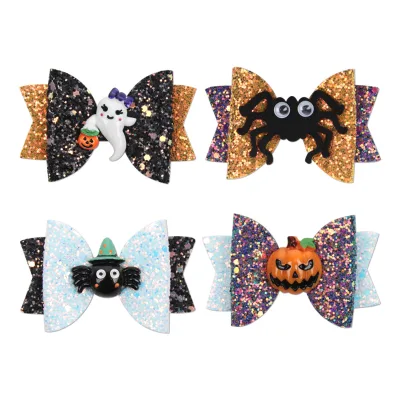
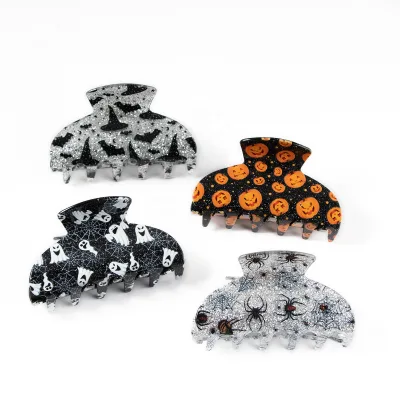
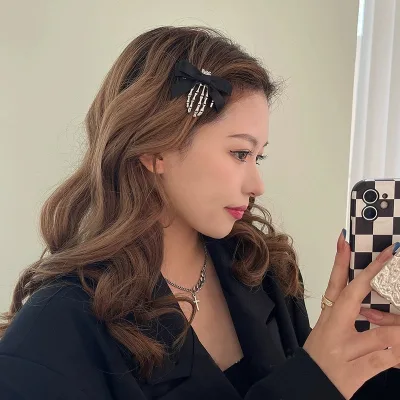
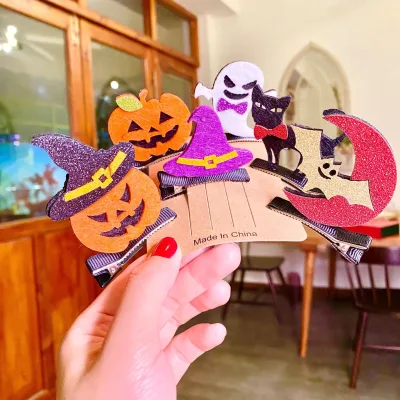
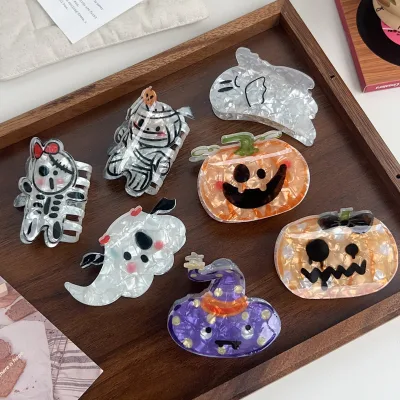
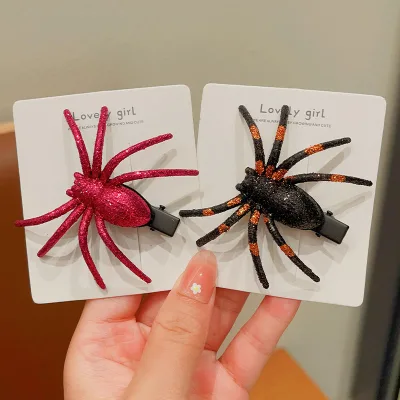
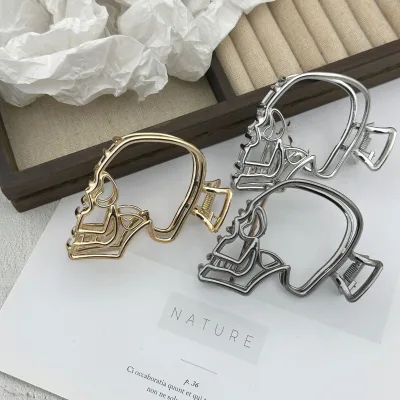


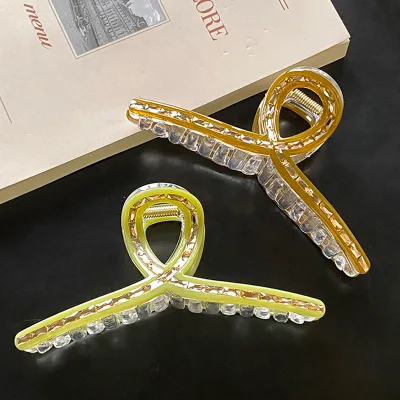
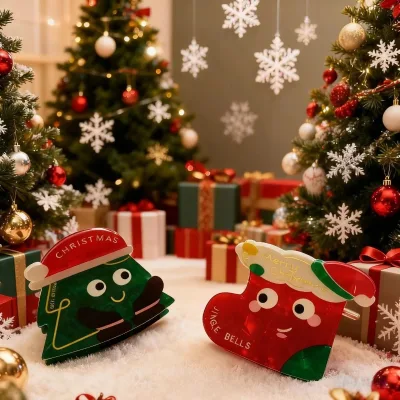


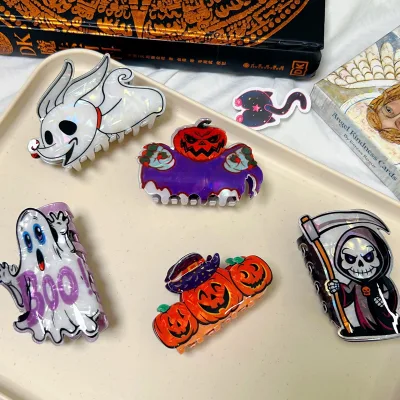
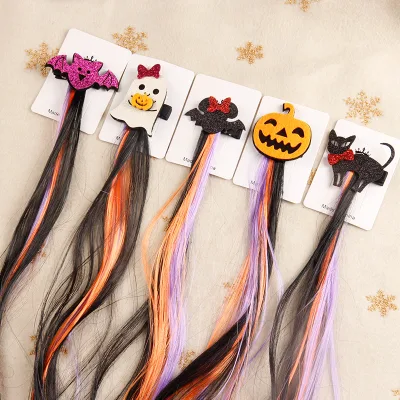
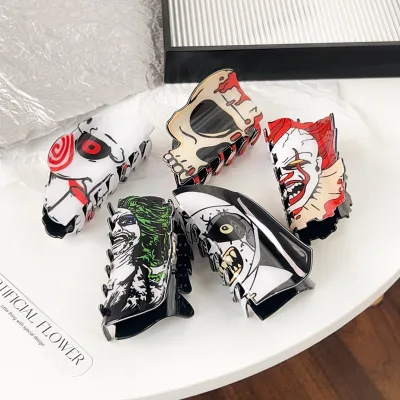
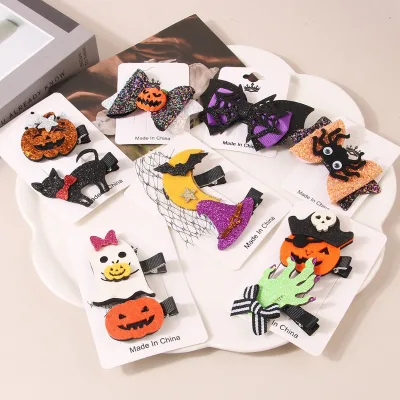


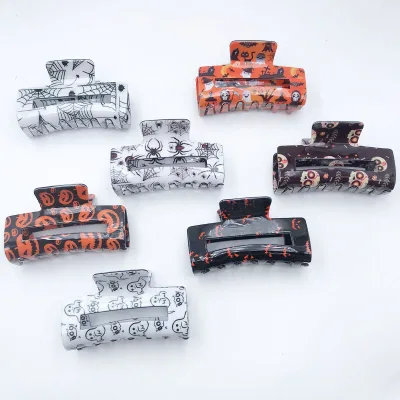


Comprehensive Sourcing Guide
Strategic Sourcing Guide for Large Halloween Hair Clips
The global demand for seasonal accessories has driven a significant expansion in the Halloween hair clip market, particularly for items described as "large" or statement pieces. For B2B procurement professionals, sourcing these decorative items requires a nuanced understanding of material composition, dimensional specifications, and supply chain logistics. The following guide synthesizes available market data and technical observations to provide a disciplined framework for evaluating suppliers and products. Buyers must approach this category with a focus on verifying specific product attributes rather than relying on generalized marketing claims, ensuring that the final inventory aligns with both safety standards and aesthetic requirements for the target demographic.
Technical Specifications and Dimensional Analysis
When evaluating large Halloween hair clips, the primary technical differentiator is often the physical size and the structural integrity of the clip mechanism. Market observations indicate a diverse range of dimensions, with specific models citing sizes such as 8 cm or approximately 8x6 cm. Other listings reference measurements in inches, such as 3 inches, which is a critical conversion point for buyers targeting North American markets. The single package size also varies significantly, ranging from compact 4x5x3 cm units to larger 11x5x3 cm packages. This variance directly impacts shipping costs and storage requirements.
Material composition is another critical technical specification. The supply base includes products made from fabric, acrylic, and other composite materials. Fabric-based clips often feature elements like cartoons or festival themes, while acrylic versions may focus on geometric or fashionable designs. The choice of material dictates the weight and durability of the product. For instance, observed single gross weights range from 0.015 kg to 0.050 kg. Buyers must verify the specific material of the clip they intend to source, as acrylic offers a rigid, glossy finish suitable for bold geometric shapes, whereas fabric provides a softer, more textured look appropriate for party or casual styles. The model numbers associated with these variations, such as CYQ-063 or GHJ23082901, serve as essential identifiers for tracking specific SKUs and ensuring consistency in future reorders.
Material Composition and Safety Compliance
The safety of hair accessories, particularly those intended for children, is a paramount concern for procurement teams. The observed product attributes indicate that materials range from fabric to acrylic, with some listings explicitly mentioning "Kids" or "Girl Lady Baby" as the target gender. This demographic segmentation necessitates rigorous compliance checks. While specific certification names are not universally listed in the provided data, buyers must verify that the materials used meet the safety standards of the destination market. For acrylic products, this often involves checking for the absence of hazardous substances like lead or phthalates. For fabric items, the focus shifts to flammability standards and the security of any attached elements.
Furthermore, the "Elements" attribute observed in the data includes "Festival," "Halloween," and "Cartoon." These decorative elements often involve small parts or intricate designs that could pose a choking hazard for younger children. Procurement guidelines should mandate that suppliers provide documentation confirming that any small detachable parts are securely attached or that the product is clearly labeled with age warnings if intended for children under three years old. The "Packaging customization" field, which mentions "CARD BOARD," suggests that the packaging itself must also be safe and compliant, avoiding sharp edges or toxic inks. Buyers should request test reports from suppliers to confirm that the final product, including the clip mechanism and decorative elements, adheres to relevant safety regulations such as ASTM F963 in the United States or EN71 in Europe, even if these specific standard numbers are not explicitly listed in the initial product descriptions.
Cost Drivers and Pricing Dynamics
Understanding the cost structure of Halloween hair clips is essential for maintaining healthy profit margins. The observed listed price range in the market spans from 0.28 USD to 2.45 USD. This wide variance is driven by several factors, including material quality, design complexity, and the scale of production. Acrylic clips with geometric or fashionable elements may command a higher price point due to the molding and finishing processes involved, whereas fabric-based clips with cartoon elements might be priced lower due to different manufacturing techniques.
The Minimum Order Quantity (MOQ) is another significant cost driver. The data shows an MOQ range from 3 to 1000 units, with specific listings citing 15 pcs, 20 pcs, or 12 pcs. Suppliers with lower MOQs may charge a higher unit price to cover setup costs, while those requiring larger volumes often offer more competitive pricing. Buyers must balance the need for inventory diversity against the cost efficiency of bulk purchasing. Additionally, the "Single gross weight" and "Single package size" directly influence freight costs. Heavier items or those with larger packaging dimensions will incur higher shipping fees, which can erode margins if not accounted for in the initial cost calculation. The "Place of Origin" also plays a role, with products originating from Zhejiang and Guangdong, China, representing major manufacturing hubs where economies of scale can reduce unit costs, though logistics from these specific regions must be factored into the total landed cost.
Supplier Evaluation and Operational Capabilities
Selecting the right supplier requires a thorough evaluation of their operational capabilities and service offerings. The data indicates that some suppliers provide "mould making and sample making service," which is a critical capability for buyers looking to customize designs or ensure product quality before mass production. This service allows for the verification of the "Style" attributes, such as "Party," "Fashionable," or "Smart Casual," ensuring the final product matches the intended aesthetic.
Geographic location is another factor in supplier evaluation. The observed "Place of Origin" includes both Zhejiang and Guangdong provinces in China. These regions are known for their specialized manufacturing clusters, but buyers should verify the specific factory capabilities and capacity. A supplier with a "Brand Name" like "YiLiBei" or "Glory" may offer different levels of quality control and brand consistency compared to OEM providers. The "Selling Units" attribute, which lists "Single item," suggests that some suppliers are flexible with packaging, while others may require bulk packaging. Buyers should assess whether the supplier can accommodate custom packaging requirements, such as the "CARD BOARD" mentioned in the data, to enhance retail presentation. Additionally, the "Occasion" attribute, ranging from "daily life" to "holiday," indicates that suppliers should have the flexibility to produce items suitable for various events, not just Halloween, which can help in diversifying the product portfolio.
Quality Control and Inspection Protocols
Implementing a robust quality control (QC) protocol is essential to mitigate risks associated with mass-produced seasonal items. Given the variation in "Color" options, such as "Black, Green, Yellow, White" or specific codes like "CYQ-063-1," buyers must establish clear color matching standards. Discrepancies in color shades can lead to customer dissatisfaction and returns. Inspection should focus on the structural integrity of the clip mechanism, ensuring that the "Hair Accessary" functions smoothly without snagging hair or breaking under normal use.
The "Elements" of the product, such as "Geometric" shapes or "Cartoon" figures, require close inspection for defects like rough edges, poor painting, or loose attachments. For fabric items, checks should include seam quality and the durability of the fabric against wear and tear. The "Single gross weight" and "Single package size" should also be verified against the supplier's specifications to ensure consistency in the shipment. Buyers should consider implementing a third-party inspection service for the first few production runs to validate the supplier's quality claims. This is particularly important for products intended for children, where safety and durability are non-negotiable. The "Type" attribute, which includes "Women" and "Kids," further underscores the need for age-appropriate quality checks, ensuring that the product meets the expectations of the specific target audience.
Long-Term Procurement and Inventory Management
Sourcing Halloween hair clips involves strategic planning for inventory management and long-term supplier relationships. The "Occasion" attribute, which includes "Halloween" and "Holiday," suggests that these products are highly seasonal. Buyers must plan their procurement cycles carefully to ensure stock availability during the peak season while avoiding overstocking that could lead to markdowns in the off-season. The "Model Number" variations, such as "Halloween Hair clips 026" or "Frank-10101968," indicate a need for a robust SKU management system to track different styles and colors effectively.
Long-term considerations also include the potential for product evolution. As trends shift from "Geometric" to "Cartoon" or from "Party" to "Smart Casual," suppliers must be adaptable. The "Provide mould making and sample making service" attribute highlights the importance of maintaining a relationship with suppliers who can quickly adapt to new design requests. Buyers should also consider the "Packaging" options, such as "1pc/opp Bag" or "CARD BOARD," to ensure that the packaging remains cost-effective and environmentally friendly. Finally, the "Color" options and "Elements" should be analyzed for their potential to extend beyond the Halloween season, allowing for a broader application in "Daily Decorative" or "daily life" contexts, thereby maximizing the utility of the inventory. By focusing on these strategic elements, buyers can build a resilient supply chain that supports both immediate seasonal needs and long-term business growth.
FAQs
What materials are used for large Halloween hair clips?
Large Halloween hair clips are commonly made from fabric or acrylic. Fabric options often feature cartoon elements suitable for parties, while acrylic versions may display geometric shapes. Buyers should verify the specific material to ensure it matches the desired aesthetic and durability requirements for their target customers.
Which sizes are available for these decorative hair accessories?
Available sizes include approximately 8 cm by 7 cm or 8 cm by 6 cm, with some models measuring 3 inches. The single package size varies from 4x5x3 cm to 11x5x3 cm depending on the design. Buyers must check specific model numbers to confirm exact dimensions for shipping and storage planning.
How does the minimum order quantity affect pricing?
Minimum order quantities range from 3 to 1000 units, with specific listings requiring 12, 15, or 20 pieces. Lower MOQs may result in higher unit prices to cover setup costs, while larger volumes often secure more competitive rates. Buyers should balance inventory diversity needs against the cost efficiency of bulk purchasing.
Can suppliers provide custom packaging for these items?
Yes, some suppliers offer packaging customization using card board materials. Other options include individual OPP bags for single items. Buyers should confirm if the supplier can accommodate specific packaging requirements to enhance retail presentation while ensuring the packaging remains safe and compliant for the target demographic.
What safety standards should be verified for children's clips?
Safety verification should focus on material compliance and the security of decorative elements like small parts. Buyers must request test reports confirming adherence to standards such as ASTM F963 or EN71, even if not explicitly listed. This ensures the clips are safe for children and do not pose choking hazards.
Where are these hair clips typically manufactured?
These products originate from manufacturing hubs in Zhejiang and Guangdong, China. These regions offer specialized production clusters that can reduce unit costs through economies of scale. Buyers should verify specific factory capabilities and capacity when selecting suppliers from these locations to ensure reliable delivery.
What price range can buyers expect for these accessories?
The observed listed price range spans from 0.28 USD to 2.45 USD per unit. This variance depends on material quality, design complexity, and production scale. Acrylic clips with intricate designs may cost more than fabric-based options, so buyers should calculate total landed costs including shipping fees.